
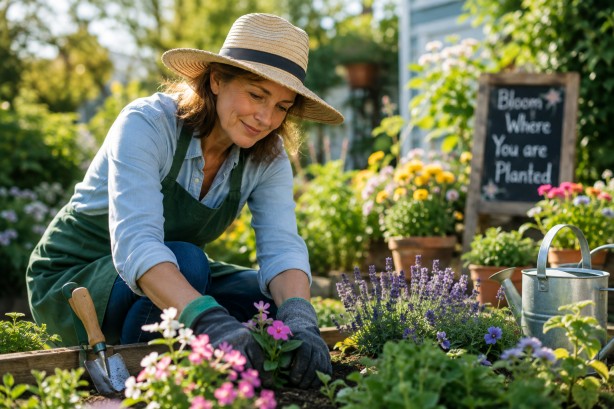
Gardening, often viewed as a leisurely pastime, offers far more than just aesthetic benefits. Engaging in this activity combines physical movement, exposure to the outdoors, sensory engagement, and a connection with nature, all of which can enhance overall well-being. Various studies have highlighted the numerous physical and mental health advantages associated with gardening, making it a valuable addition to a healthy lifestyle.
One key benefit of gardening is its positive impact on cognitive health. The activity involves planning, physical movement, and sensory involvement, such as choosing plants, remembering their care needs, and working with soil. These tasks provide mental stimulation, which research suggests can enhance cognitive functioning by combining physical activity with mental engagement and mood elevation.
Gardening also serves as an effective stress-relief tool. Being surrounded by greenery creates a calming atmosphere, helping to alleviate stress. Activities like watering, pruning, and planting offer a respite from daily challenges, contributing to lower stress levels and, consequently, better overall health. Additionally, gardening fosters mental well-being by providing a sense of purpose and accomplishment. As people nurture plants and witness their growth, they may find themselves spending more time outdoors, away from everyday distractions. This connection has been linked to improvements in mood, anxiety, depression, and general life satisfaction.
The physical benefits of gardening are equally noteworthy. Tasks such as digging, planting, and carrying soil engage various muscle groups, increasing physical activity for those who might otherwise lead sedentary lifestyles. Furthermore, gardening naturally encourages outdoor time, exposing individuals to daylight and promoting vitamin D production, which is crucial for bone health, immune function, and overall well-being. However, it is important to balance sun exposure with appropriate protection, especially during peak sunlight hours.
Finally, the integration of physical activity, stress management, and outdoor time through gardening could contribute to improved long-term health. For older adults, in particular, gardening has been associated with better cardiovascular health and reduced risks of lifestyle-related conditions. While it cannot solely guarantee longevity, incorporating gardening into one’s routine can support healthier aging. Importantly, gardening does not require a large space or extensive expertise. Even small-scale efforts like growing herbs or tending to indoor plants can provide meaningful opportunities to move, unwind, and connect with nature, emphasizing its role in fostering a balanced lifestyle.