
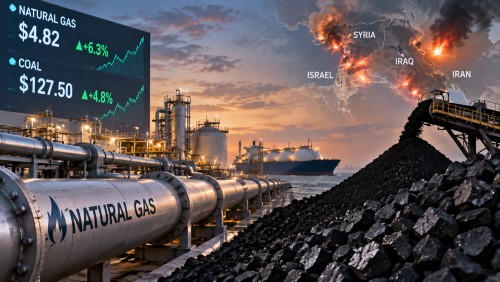
Global energy markets are experiencing ripple effects from the ongoing Middle East conflict, as prices for natural gas and coal surge, according to Malaysia’s Economy Minister Akmal Nasrullah Mohd Nasir. Initially impacting petrol prices, disruptions are now causing a delayed rise in the cost of other fuels, which in turn affects electricity generation costs.
Nasrullah highlighted that natural gas prices typically lag behind oil price changes by several months. This delay now places additional financial pressure on electricity production, given that both natural gas and coal are key fuels used in generating electricity. The rising costs are likely to lead to higher electricity generation expenses across the energy sector.
Under Malaysia’s current electricity tariff system, consumers using more than 600kWh monthly are more vulnerable to these fuel price fluctuations. Conversely, most households that consume less than this threshold are shielded from direct impacts, though their overall bills may rise with increased electricity use.
The minister also noted that extreme weather conditions, such as hotter temperatures and haze, could exacerbate household electricity consumption as residents spend more time indoors using cooling appliances. The government is actively considering strategies to mitigate the impact of rising electricity costs on households, while keeping a close watch on developments in the global energy markets.