
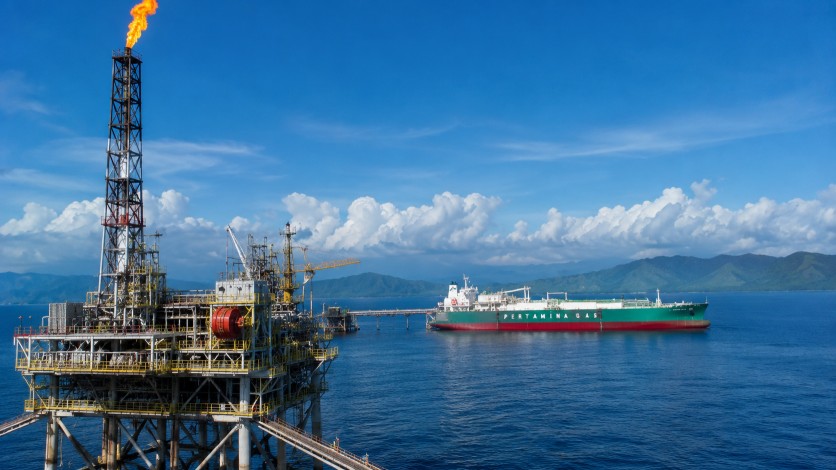
Indonesia has embarked on the construction of the Masela LNG Project, a significant national strategic energy venture with an estimated cost of $20.95 billion (Rp 390 trillion). This initiative is poised to bolster the country’s energy production capabilities substantially. Once operational, the project is set to produce 9.5 million tons of liquefied natural gas (LNG) annually along with 35,000 barrels of condensate per day. The anticipated output promises to enhance Indonesia’s energy production capacity greatly.
The economic impact of the Masela LNG Project is expected to be substantial, with projections indicating it will contribute over $44 billion in total state revenue throughout its lifespan. This figure encompasses both direct and indirect tax contributions, highlighting the project’s potential to significantly benefit the national economy. Furthermore, the development is poised to invigorate regional economic growth, with particular emphasis on uplifting the welfare of local communities.
Job creation is another key benefit of the project, with the construction phase anticipated to generate approximately 12,000 employment opportunities. Once the project transitions into its operational phase, it is expected to sustain between 800 to 1,000 permanent positions. The Indonesian government has stressed its commitment to prioritizing employment for qualified local residents, particularly from the Tanimbar Islands and the broader Maluku region, in a bid to ensure that the local population benefits directly from the initiative.
Strategically located in the Arafura Sea, about 150 kilometers south of Masela Island, the project is positioned to play a pivotal role in enhancing Indonesia’s energy infrastructure. By not only increasing national energy output but also driving economic growth in the region, the Masela LNG Project represents a critical step forward in Indonesia’s energy sector development. The initiative underscores the government’s efforts to harness local resources and capabilities to meet the country’s growing energy demands.