
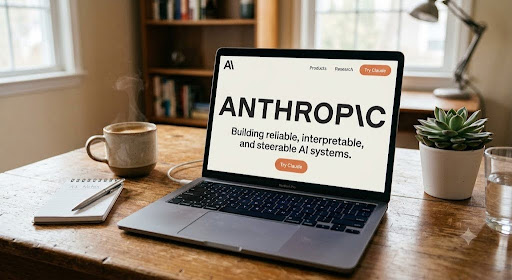
Anthropic, a company specializing in artificial intelligence, has proposed a temporary halt in AI development to address the potential risks associated with increasingly advanced AI systems. The company aims to convene a gathering of policymakers, researchers, and industry leaders to assess these potential dangers. This suggestion aligns with a growing concern among AI safety experts about the management of highly sophisticated AI systems.
In its recent announcement, Anthropic noted advancements in its Claude AI model, emphasizing its improved capabilities in research assistance, experiment execution, and software development enhancement. However, the company cautioned about the future development of AI systems that might be capable of self-improvement, which could pose significant challenges if humans were to lose control over their progression.
The notion of pausing AI development has resonated with some experts who worry about the potential for complex systems to become unmanageable. Meanwhile, other researchers argue that current AI technologies have not yet reached the stage of true self-improvement, pointing out that the associated risks remain speculative at this point. This division in perspectives highlights the ongoing debate over AI development safety.
As governments and tech companies continue discussions on regulating powerful AI models, Anthropic’s concerns echo the broader conversation. The company has previously expressed worries about the cybersecurity implications of advanced AI tools and advocated for more robust safety protocols. While the dialogue around AI risks is seen as crucial by supporters, critics warn that some of these concerns might be exaggerated, potentially fueling unnecessary public fear.
This ongoing debate underscores the global challenge of balancing rapid advancements in AI technology with the need for responsible and cautious development. The call for a pause reflects a recognition of the complex issues at play as AI systems become more integral to various aspects of society.