
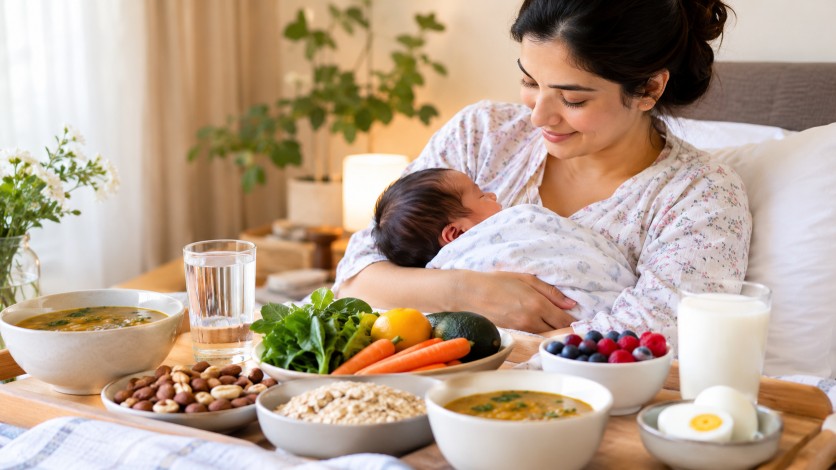
Postpartum nutrition plays a crucial role in helping new mothers recover after childbirth. Ensuring a balanced diet can replenish essential nutrients, support tissue repair, maintain energy levels, and meet the increased demands of breastfeeding. While the focus often shifts to caring for the newborn, it is important for mothers to pay equal attention to their own health and nutritional needs.
The recovery period following childbirth varies widely among women, influenced by factors such as the type of delivery, blood loss, and any complications. While some mothers regain their strength within a few weeks, others may need several months to feel fully recovered. During this time, the body undergoes healing while adjusting to new routines, including breastfeeding and disrupted sleep patterns. Prioritizing rest and adequate food intake is more beneficial than rushing to lose pregnancy weight.
Nutrition is particularly vital after delivery due to the body’s increased energy and nutrient requirements. Blood loss during childbirth can impact iron levels, making foods rich in iron, such as lentils, beans, leafy greens, eggs, and meat, essential. To enhance iron absorption, pairing these with vitamin C-rich foods like oranges or tomatoes is recommended. Protein is also crucial for tissue repair, with sources including chickpeas, dairy products, eggs, fish, and tofu.
Calcium and vitamin D are important for bone health and muscle function. Foods such as milk, yoghurt, and oily fish can help meet these needs, though supplementation may be necessary if deficiencies are suspected. Additionally, a variety of fruits and vegetables provide essential vitamins, minerals, and fiber, supporting overall health and preventing constipation.
Whole grains, such as oats and brown rice, offer carbohydrates for energy and fiber for digestive health, while healthy fats from nuts, seeds, and fish contribute to general well-being. Staying hydrated is also important, particularly for breastfeeding mothers. Regular water intake, supplemented by milk and soups, helps maintain hydration.
Practical strategies for ensuring good nutrition include preparing meals in advance, keeping nutritious snacks on hand, and sharing household responsibilities to allow the mother time to rest and eat. Simple meal options like boiled eggs, fruit, and prepared portions of dal or vegetables can fit into a busy routine.
The postpartum period should focus on recovery and not the immediate return to pre-pregnancy body shape. Adequate nourishment, rest, emotional support, and professional medical care are vital for a mother’s recovery and overall well-being. By maintaining a balanced diet and seeking medical advice when necessary, new mothers can support their health while adapting to the demands of motherhood.