
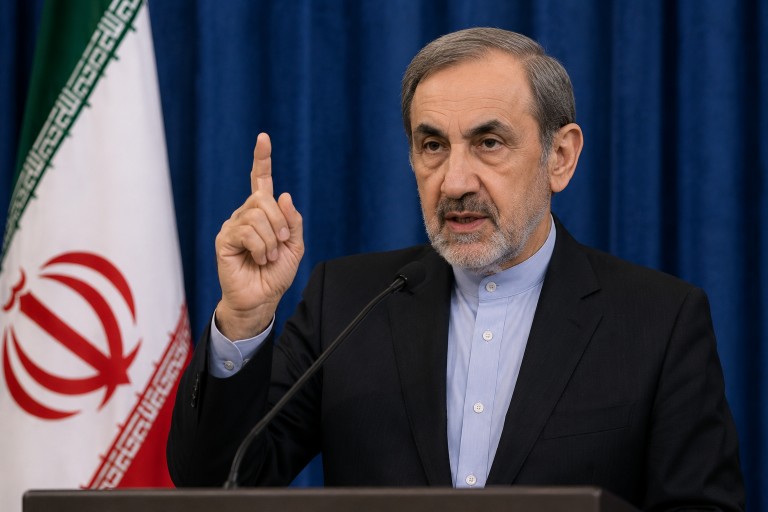
Tensions between Iran and the United States have escalated after President Donald Trump announced the cessation of an interim agreement aimed at de-escalating conflicts between the two nations. In response, Ali Akbar Velayati, a senior adviser to Iran’s supreme leader, issued a stern warning to the U.S., accusing it of stirring unrest in the Gulf region. Velayati emphasized that Iran was ready to retaliate against any further military provocations, signaling a readiness to defend itself amid rising tensions.
Trump’s declaration, made during a NATO summit, came after Iran launched attacks on U.S. military bases located in Bahrain and Kuwait. These actions by Iran were in retaliation to U.S. strikes on Iranian targets, which themselves followed assaults on commercial vessels in the strategic Strait of Hormuz. The U.S. President indicated that the ceasefire agreement was no longer valid, highlighting the volatility of the situation in the Gulf.
The exchange of threats between the two nations has intensified concerns over a potential broader conflict in the region. The Gulf’s stability is crucial for regional security and has significant implications for global energy markets. With tensions rising, the possibility of further military action looms, as Trump suggested that strategic targets in Iran, such as Kharg Island, could be on America’s list for future strikes if Tehran continues its current course.
Velayati’s statement underscored Iran’s readiness to defend itself, stating that the nation had its “finger on the trigger” and would not remain passive in the face of threats. This rhetoric further complicates efforts to restore a ceasefire and de-escalate the situation. Both countries appear to be on a path that could lead to increased conflict unless diplomatic solutions are found.
As the situation develops, the international community watches closely, aware that the unfolding events in the Gulf could have far-reaching consequences. The renewed hostilities not only threaten regional peace but also impact the stability of global trade and energy supply chains, underscoring the critical need for diplomatic engagement to prevent further escalation.